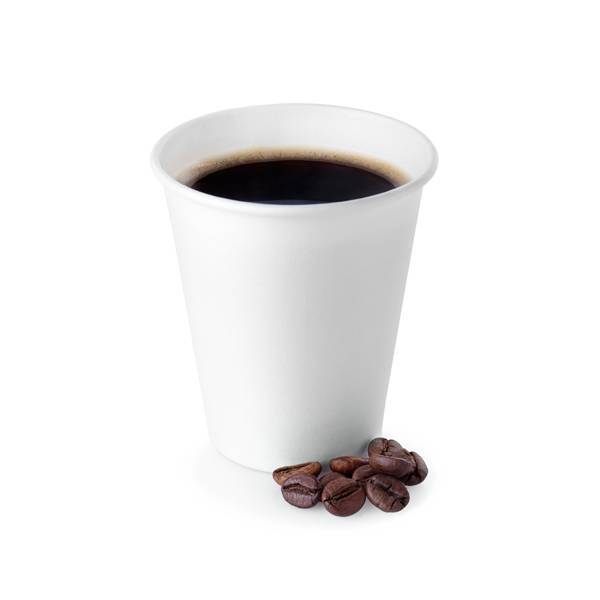
Coffee Cups and Their Role in Everyday Life

Coffee cups are a small but essential part of daily routines for millions of people around the world. From early morning coffees to afternoon breaks and social meetups, coffee cups make it easy to enjoy beverages anytime and anywhere. Over time, coffee cups have evolved not only in design and functionality but also in materials, as people become more conscious of convenience, hygiene, and environmental impact.
The Importance of Coffee Cups
Coffee cups provide a practical and hygienic way to serve hot beverages. They are designed to handle heat, prevent spills, and offer comfort while drinking. Whether used at home, in offices, cafes, or during travel, coffee cups ensure that beverages can be enjoyed safely and conveniently.
For businesses such as coffee shops, restaurants, and corporate offices, coffee cups also play an important role in branding and customer experience. A well designed cup adds value to the product and enhances the overall presentation of the beverage.
Types of Coffee Cups
There are several types of coffee cups available in the market today, each designed for different needs.
Disposable coffee cups are widely used in cafes, offices, and events because they are convenient and time saving. They eliminate the need for washing and are ideal for serving large numbers of people.
Reusable coffee cups are popular among individuals who prefer long term use and want to reduce waste. These cups are usually made from materials like ceramic, glass, or stainless steel and are suitable for home or office use.
Eco friendly coffee cups are becoming increasingly popular as people look for sustainable alternatives. These cups are often made from paper, bamboo, or plant based materials and are designed to reduce environmental impact.
Growing Demand for Eco Friendly Coffee Cups
With rising awareness about environmental pollution, many people are moving away from plastic based products. Traditional disposable coffee cups often contain plastic linings that make them difficult to recycle. As a result, they contribute significantly to waste and landfill problems.
Eco friendly coffee cups offer a better solution. They are designed to decompose naturally or be recycled more easily. Using sustainable materials helps reduce carbon footprint and supports environmentally responsible practices.
Businesses that switch to eco friendly coffee cups not only help protect the environment but also improve their brand image. Customers today prefer companies that show commitment to sustainability.
Coffee Cups for Businesses and Events
Coffee cups are widely used in offices, conferences, exhibitions, weddings, and outdoor events. Disposable coffee cups are especially useful in such settings because they are lightweight, easy to store, and simple to distribute.
For cafes and takeaway services, high quality coffee cups help maintain the temperature of beverages while ensuring a comfortable grip for customers. Lids and insulation further improve usability and prevent spills during travel.
Choosing the right coffee cup depends on the type of beverage, serving size, and usage environment. Having different sizes available allows businesses to cater to a wider range of customer preferences.
Choosing the Right Coffee Cup
When selecting coffee cups, it is important to consider quality, safety, and sustainability. Cups should be strong enough to hold hot beverages without leaking or collapsing. Food safe materials are essential to ensure health and hygiene standards.
Eco conscious consumers and businesses should also look for cups made from renewable or biodegradable materials. This simple choice can make a positive impact on the environment over time.
Conclusion
Coffee cups may seem like a simple product, but they play a significant role in daily life, business operations, and environmental responsibility. As demand for convenient and sustainable solutions grows, coffee cups continue to evolve in design and materials.
By choosing the right type of coffee cup, individuals and businesses can enjoy their beverages while supporting convenience, safety, and sustainability. Small choices like switching to better coffee cups can lead to meaningful positive change in the long run.